

Choosing between a heat pump and a gas furnace in British Columbia is not simply a question of which appliance is “better.” The right choice depends on the home, the existing heating system, ductwork, electrical capacity, comfort priorities, utility costs and whether the homeowner also needs air conditioning.
A heat pump can provide both heating and cooling, while a gas furnace provides heating only. Modern cold-climate heat pumps can operate well below freezing, but their performance still depends on the exact model, outdoor temperature, correct sizing and installation. A furnace can remain a practical option in some homes, and a dual-fuel system can combine both technologies.
This guide compares a heat pump vs gas furnace for BC homeowners without assuming that one system is automatically right for every property.
1. Heat Pump vs Gas Furnace: The Basic Difference
A gas furnace creates heat by burning natural gas and transferring that heat into the home’s air-distribution system.
An electric heat pump works differently. Instead of creating most of its heat directly, it transfers heat from one place to another. In winter it moves heat from the outdoor air into the home; in summer it reverses operation and moves heat out of the home to provide cooling.
Natural Resources Canada describes electric heat pumps as reversible heating-and-cooling systems that transfer heat rather than generate it, which is why they can deliver more useful heating energy than the electrical energy used by the compressor.
2. Heating and Cooling: One System or Two?
One of the clearest differences is summer cooling.
Heat Pump
- Heating during colder weather
- Air conditioning during warmer weather
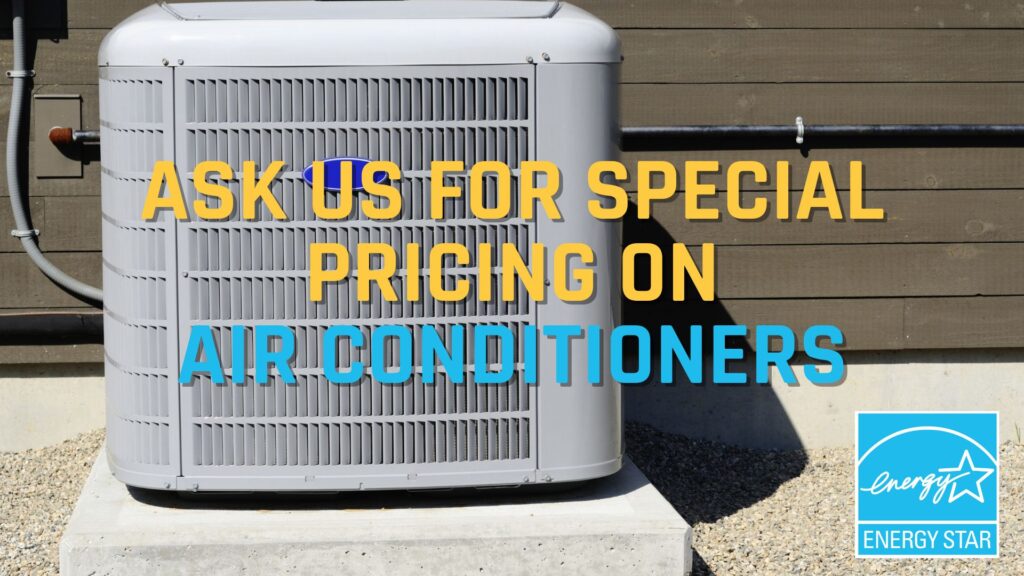
For a homeowner whose furnace and air conditioner are both approaching replacement, a heat pump may allow the new outdoor system to handle both heating and cooling.
Gas Furnace
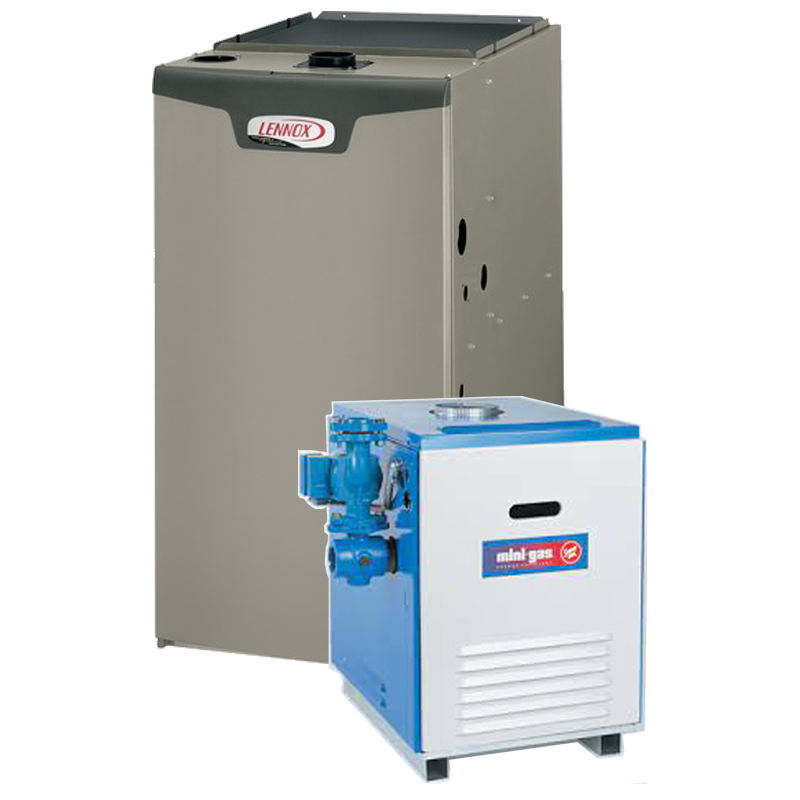
A gas furnace provides heating only. If the home also needs central cooling, a separate air conditioner or compatible heat-pump system is required.
This is why the comparison should often be made between complete systems rather than comparing only the price of one furnace with one heat-pump outdoor unit.
3. Which System Is More Energy Efficient?
Heat pumps and furnaces measure efficiency differently, so a simple percentage comparison can be misleading.
A furnace converts fuel into heat. Its AFUE rating describes the modeled percentage of fuel energy converted into useful seasonal heating.
A heat pump transfers heat using electricity. Natural Resources Canada states that air-source heat pumps can use less energy for space heating than traditional equipment because they move heat rather than creating all of it through combustion or electric resistance.
Cold-climate heat-pump performance varies with outdoor temperature and equipment selection. The important numbers include low-temperature heating capacity, HSPF2, COP and the performance data for the exact indoor-and-outdoor combination.
Efficiency ratings do not replace proper system design. An oversized heat pump, undersized duct system, incorrect airflow or poorly commissioned furnace can all reduce real-world performance.
4. Will a Heat Pump Work During a BC Winter?
Yes, when the equipment is selected for the climate and the home.
Natural Resources Canada states that modern cold-climate air-source heat pumps are designed to operate at temperatures well below freezing, with some models capable of operating around -30°C. That does not mean every heat pump has the same capacity at -30°C, and it does not mean every home should be designed without backup heat.
For Lower Mainland homeowners, the correct design should consider:
- Outdoor winter design temperature
- Calculated heating load of the home
- Heat-pump capacity at low temperatures
- Existing ductwork and airflow
- Available backup or supplemental heat
- Electrical service capacity
- Homeowner comfort goals
The equipment nameplate or advertised “tonnage” alone is not enough to determine whether the system can heat the home properly.
5. Which One Costs Less to Operate?
There is no single honest answer for every BC home.
Operating cost depends on:
- Electricity and natural-gas rates
- Whether a gas connection is retained
- Heating load and insulation level
- Local winter temperatures
- Heat-pump efficiency at those temperatures
- Furnace efficiency
- Thermostat and control strategy
- Use of backup heat
- Cooling use during summer
A Natural Resources Canada study of cold-climate heat pumps found that the economics vary by location, home type, existing heating system and whether the gas connection remains. In some scenarios heat pumps reduce annual operating costs; in others, especially where a separate gas service is retained, the result can be closer.
For that reason, homeowners should be cautious with advertisements promising a fixed percentage of savings without reviewing the home and current utility use.
6. What About Greenhouse-Gas Emissions?
For homeowners who want to reduce household fossil-fuel use, an electric heat pump can reduce direct on-site combustion for space heating.
Natural Resources Canada’s cold-climate heat-pump analysis found lower greenhouse-gas emissions from cold-climate air-source heat pumps than gas furnaces in British Columbia under the scenarios studied.
The exact result still depends on the home, equipment and operating strategy. A dual-fuel system, for example, continues to use natural gas when the furnace operates.
7. Comfort: Does a Furnace Feel Different From a Heat Pump?
It can.
Gas furnaces often deliver relatively warm supply air during a heating cycle. Heat pumps commonly provide heat over longer cycles with lower supply-air temperatures, particularly during milder weather.
Neither approach is automatically more comfortable. Comfort depends on:
- Correct equipment sizing
- Airflow
- Duct design
- Thermostat placement and control settings
- Room-by-room heat loss
- Insulation and air leakage
A properly designed variable-capacity heat pump may provide long, steady heating cycles and even temperatures. A properly sized staged furnace can also provide very good comfort. Problems such as hot and cold rooms usually require looking at the complete building and distribution system rather than blaming only the heating appliance.
8. What If the Home Already Has Ductwork?
Existing ducts can sometimes be reused for either a new furnace or a ducted heat pump, but they should be assessed rather than assumed to be suitable.
A duct review should consider:
- Available supply airflow
- Return-air capacity
- Duct size and restrictions
- Static pressure
- Leakage
- Filter resistance
- Cooling airflow requirements
A heat pump may require different airflow than the old furnace. Simply connecting new equipment to old ducts without checking the system can create noise, comfort or performance problems.
Homes without suitable ducts may also consider a ductless mini-split heat pump rather than installing a complete new duct system.
9. Electrical Capacity Can Affect the Decision
A heat pump adds a significant electrical load to the home. Some projects can use the existing electrical service, while others may require panel, circuit or service upgrades depending on the equipment and property.
Technical Safety BC states that residential heat pumps are regulated electrical equipment and that most installations or upgrades require an electrical permit and appropriately qualified electrical work.
If a gas furnace is being removed as part of an all-electric heat-pump conversion, the gas-system alteration also needs to be handled correctly. Technical Safety BC states that modifying or removing a natural-gas furnace or boiler requires the applicable gas permit.
Electrical capacity should therefore be checked early, before the homeowner assumes that a particular heat-pump system can be installed without other work.
10. Gas-Furnace Replacement Also Has Permit Requirements
Replacing or altering a gas furnace is regulated work in British Columbia.
Technical Safety BC’s gas-permit guidance identifies installing or replacing gas appliances such as furnaces as work that commonly requires a permit. When a licensed contractor performs regulated gas work, the contractor normally applies for the applicable permit.
The authority issuing the gas permit can depend on the municipality and property type, so permit responsibility should be confirmed before work begins.
11. When a Gas Furnace Can Still Make Sense
A furnace can remain a practical choice when factors such as the following apply:
- The existing gas system is in good condition
- The homeowner wants a straightforward heating-only replacement
- Central air conditioning is already relatively new
- Electrical capacity would require substantial additional work for the preferred heat-pump design
- The home’s mechanical and duct system is well suited to a furnace replacement
- The homeowner prefers to keep gas as the primary heating source
This does not mean a furnace is automatically cheaper or better. It means the decision should reflect the complete installed system and the homeowner’s priorities.
Homeowners considering furnace work can review Royal Pro Heating’s Furnace Repair & Service information.
12. When a Heat Pump Can Make Sense
A heat pump can be especially attractive when:
- The homeowner needs both heating and cooling
- An old air conditioner is already due for replacement
- Reducing fossil-fuel use is a priority
- The home has suitable ductwork or is a good ductless candidate
- Electrical capacity can support the planned system
- The equipment can meet the home’s heating load at local design conditions
- Current rebates improve the project economics
Royal Pro Heating’s Heat Pump Installation page explains the installation and planning service path.
Because rebate rules and amounts change, homeowners should confirm current eligibility through official program sources before making the purchase decision. Royal Pro Heating’s BC Rebates page can be used as a starting point.
13. What Is a Dual-Fuel Heat Pump System?
A dual-fuel system combines a central electric heat pump with a compatible gas furnace.
The heat pump can provide heating during selected outdoor conditions and cooling in summer. The furnace becomes the alternate heat source according to the system’s control strategy.
Dual fuel can be worth considering when a homeowner wants:
- Heat-pump heating and summer cooling
- Gas-furnace backup
- Use of existing ductwork where suitable
- A staged transition rather than a fully electric heating system
The furnace, indoor coil or air handler, heat pump and controls need to be selected as a coordinated system. Current rebate programs can also have specific product, sizing and control requirements.
For more detail, see Royal Pro Heating’s Dual-Fuel Heat Pump System guide.
14. Do Not Choose Based Only on the Old Equipment Size
Whether the final choice is a furnace, heat pump or dual-fuel system, replacing equipment only by the old nameplate capacity is not a reliable design method.
The new system should consider:
- Calculated heating and cooling loads
- Conditioned floor area
- Insulation and windows
- Air leakage
- Ductwork and airflow
- Outdoor design temperatures
- Indoor comfort targets
- Future renovation plans
Natural Resources Canada emphasizes proper sizing and installation because both undersizing and oversizing can reduce efficiency, increase cost and create comfort problems.
15. Questions to Ask Before Choosing a Heat Pump or Furnace
Before signing an installation agreement, ask for clear answers to questions such as:
- What is the calculated heating load of the home?
- What heating capacity does the proposed heat pump provide at low outdoor temperatures?
- Is the existing ductwork suitable for the required airflow?
- Will electrical upgrades be required?
- Which permits are included in the project?
- What exact indoor and outdoor model numbers are proposed?
- What backup-heating strategy is being used?
- What are the manufacturer and labour warranties?
- Which current rebates are expected to apply?
- What assumptions are being used for operating-cost estimates?
A quote that answers these questions is more useful than one that lists only a brand name, equipment size and total price.
Frequently Asked Questions
Is a heat pump better than a gas furnace in BC?
Not automatically. A heat pump provides both heating and cooling and can reduce energy use and direct fossil-fuel consumption, while a gas furnace can remain a practical heating option in some homes. The better choice depends on the building, existing equipment, utility costs, electrical capacity, ductwork and homeowner priorities.
Can a heat pump replace a gas furnace completely?
Yes, some homes can use an appropriately designed heat-pump system as the primary heating and cooling system. The design must confirm low-temperature heating capacity, electrical requirements and the backup-heating strategy, if any.
Do heat pumps work below freezing?
Yes. Modern cold-climate models are designed for operation well below freezing. The exact capacity and minimum operating temperature vary by model, so the equipment’s published low-temperature performance must be checked.
Is a heat pump always cheaper to operate than a gas furnace?
No. Operating cost depends on electricity and gas rates, climate, home heating load, equipment efficiency, gas connection charges, cooling use and backup heating. A home-specific comparison is more useful than a fixed savings claim.
Can I keep my gas furnace and add a heat pump?
In some homes, yes. A coordinated dual-fuel system can combine a central heat pump and gas furnace. Equipment compatibility, ductwork, controls, sizing and current rebate requirements should be reviewed before installation.
Will I need a new electrical panel for a heat pump?
Not every project requires a panel upgrade. The answer depends on the existing electrical service, panel capacity and the proposed heat-pump and backup-heating equipment. Electrical capacity should be assessed before equipment is finalized.
Does a heat pump need different ductwork than a furnace?
Not necessarily, but existing ducts must be able to provide the airflow required by the new system. Duct sizing, return-air capacity, static pressure and restrictions should be evaluated rather than assuming the old ducts are suitable.
Should I replace my furnace and air conditioner with a heat pump at the same time?
If both systems are approaching replacement, it is a good time to compare a heat pump with separate furnace-and-air-conditioner replacement. The best choice still depends on the complete installed cost, system design and homeowner goals.
Choose the System That Fits the Home
The most useful question is not “Which technology wins?” It is “Which complete system fits this home and this homeowner?”
A heat pump, gas furnace or dual-fuel system can all be reasonable choices when properly selected and installed. The decision should account for heating and cooling loads, ductwork, electrical capacity, fuel availability, comfort, current utility costs, permits, equipment performance and future plans for the property.
Royal Pro Heating provides furnace, heat-pump and dual-fuel planning and service throughout Vancouver and the Lower Mainland. Before choosing equipment, request an assessment that compares the actual system options for the home rather than relying on a generic rule.