

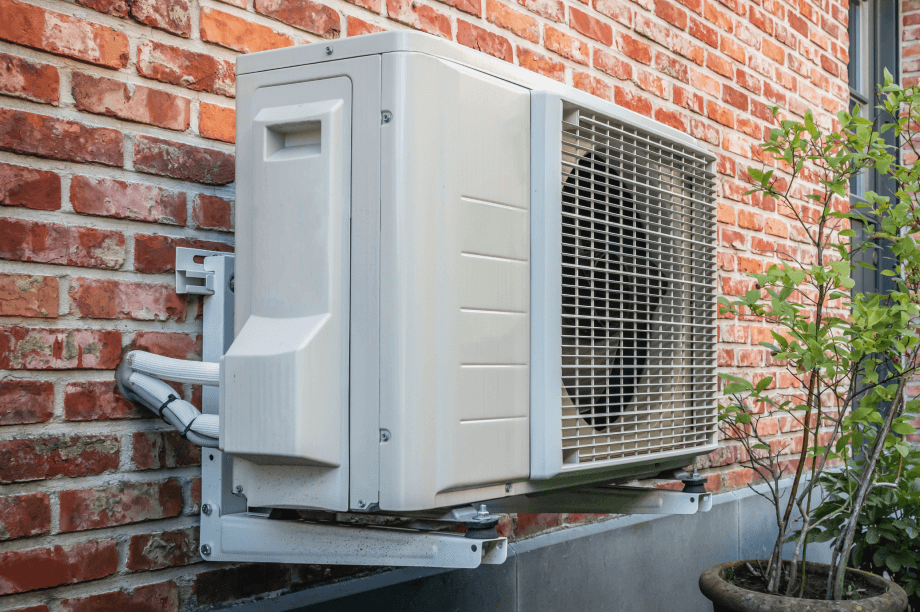


When a heat pump runs but the home does not warm properly, the problem can be electrical, refrigeration-related, airflow-related or control-related. The useful starting point is to determine whether the system is producing insufficient heat, delivering that heat poorly, or failing to operate in the correct mode.
1. Airflow Problems
A dirty filter, restricted return, blocked indoor coil or high static pressure can reduce delivered heating capacity. Airflow should be measured rather than estimated by feel.
2. Outdoor Coil Frost and Defrost Faults
Some frost is normal in cool humid weather. Persistent ice can reduce heat transfer dramatically. Sensor faults, outdoor-fan problems, reversing-valve issues and refrigeration faults can all interfere with defrost.
See our heat pump defrost guide for a deeper explanation.
3. Refrigerant Charge or Flow Problems
Low charge, overcharge, restrictions or metering-device faults can reduce heating output. Diagnosis requires manufacturer procedures and operating measurements, not a single pressure reading.
4. Reversing Valve Problems
The reversing valve directs refrigerant for heating or cooling. If it does not shift fully, the unit may deliver weak heat or behave as though it is in the wrong mode.
5. Sensor and Control Errors
Outdoor, coil and indoor sensors influence compressor speed, defrost and staging. Incorrect sensor values can make a variable-capacity system reduce output even when more heat is needed.
6. Backup Heat Is Not Operating
Some systems use electric auxiliary heat or a gas furnace in dual-fuel mode. If the backup stage is disabled, miswired or locked out, the heat pump may not maintain temperature during peak load.
7. Equipment Capacity vs Building Load
A healthy heat pump can still struggle if the available low-temperature capacity is below the home’s heating load. Equipment selection should be checked against manufacturer capacity data and the building’s design load.
Our cold-weather heat-pump capacity guide explains this relationship in detail.
Diagnostic Sequence
- Confirm thermostat mode and call
- Measure indoor airflow and temperature change
- Inspect outdoor coil and fan
- Review fault history and sensor values
- Observe defrost operation
- Check refrigerant conditions where required
- Confirm reversing-valve operation
- Verify backup heat and staging
Royal Pro Heating Heat Pump Service
Royal Pro Heating Ltd. provides heat pump installation and service throughout Metro Vancouver, including Burnaby and Coquitlam.
Frequently Asked Questions
Why is my heat pump blowing warm but not hot air?
Heat pumps often deliver lower supply-air temperatures than furnaces. The important question is whether the system is delivering enough total heat to satisfy the building load.
Can low refrigerant cause poor heating?
Yes, but several other faults can produce similar symptoms. Refrigerant diagnosis should follow the manufacturer’s procedure.
Why does my heat pump run all day?
Long cycles can be normal in cold weather if the unit is matching the load. Continuous operation with falling indoor temperature requires further testing.
Bottom Line
A heat pump that is not heating well should be diagnosed as a complete system. Airflow, refrigeration, defrost, controls, backup heat and building load all need to be considered before deciding which component is responsible.


