

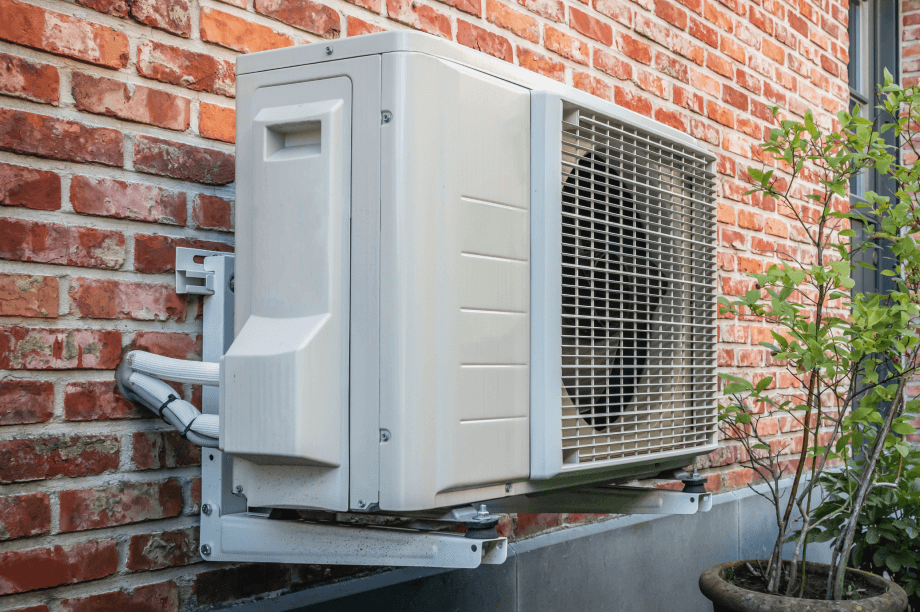


Frost on an outdoor heat-pump coil is not automatically a fault. During cool, damp weather, the outdoor coil may operate below the dew point and below freezing, so moisture from the air can freeze on the coil. A properly operating heat pump periodically enters a defrost cycle to remove that frost and restore airflow.
Metro Vancouver’s cool, humid winter conditions can make defrost operation especially noticeable. The key is distinguishing normal defrost from a system that is icing excessively, defrosting too often or failing to clear the coil.
Why Frost Forms on a Heat Pump
In heating mode, the outdoor coil absorbs heat from outside air. Refrigerant inside the coil can be colder than the outdoor air. When the coil surface drops below freezing, airborne moisture can freeze onto the fins.
A light, even frost layer can be normal. A heavy ice blanket that remains for long periods is not.
What Happens During Defrost?
Most air-source heat pumps temporarily reverse the refrigeration cycle. The outdoor coil becomes hot enough to melt frost while the indoor side is managed to reduce the amount of cool air delivered into the home.
Depending on the design, the outdoor fan may stop during defrost. Steam or water may be visible around the outdoor unit. These are often normal signs of ice melting from a warm coil.
How the Control Decides When to Defrost
Defrost logic varies by manufacturer. Modern systems may use outdoor-coil sensors, outdoor-air sensors, elapsed compressor run time, pressure information or adaptive algorithms. The control typically looks for conditions that indicate frost is likely or that coil temperature has fallen below a threshold.
A system that defrosts on a fixed timer may behave differently from one using demand-defrost logic. This is why the exact service manual matters when diagnosing abnormal operation.
Normal Defrost vs. a Problem
Normal defrost is temporary and the coil clears substantially before normal heating resumes. Potential warning signs include:
- Ice covering most of the outdoor coil for long periods
- Defrost cycles occurring unusually often
- The coil not clearing during defrost
- The outdoor fan never stopping when the design calls for it
- The compressor running while the outdoor coil remains deeply frozen
- Repeated fault codes or lockouts
- Water refreezing around the base and blocking drainage
1. Defrost Sensor Problems
A failed, loose or poorly positioned coil sensor can provide inaccurate temperature information. If the control believes the coil is warmer or colder than it actually is, defrost timing can be affected.
Diagnosis should compare measured temperature with the sensor value expected by the manufacturer.
2. Reversing Valve Problems
The reversing valve changes refrigerant flow direction between heating and cooling modes. During defrost, the valve must shift correctly. A valve that does not shift fully can prevent the outdoor coil from warming enough to melt frost.
Reversing-valve diagnosis may involve electrical checks, refrigerant temperature measurements and confirmation of pressure changes.
3. Outdoor Fan Problems
A weak motor, failed capacitor on applicable systems, damaged blade or control fault can reduce outdoor airflow. Low airflow allows the coil to run colder and may accelerate frost buildup.
Leaves, debris or snow restricting the coil can produce a similar result.
4. Low Refrigerant Charge or Refrigeration Faults
Incorrect refrigerant charge, restrictions or metering-device problems can alter coil temperature and pressure. These faults may contribute to abnormal icing, poor heating capacity or long run times.
Refrigerant charge should not be guessed from one pressure reading. Proper diagnosis uses the manufacturer’s procedures and considers outdoor temperature, operating mode and system design.
5. Drainage and Base-Pan Ice
Defrost water must drain away from the outdoor unit. If drainage paths are blocked or water freezes around the base, ice can build around the coil or fan area.
Outdoor units should have appropriate clearance and drainage for local winter conditions. The correct solution depends on the installation and manufacturer requirements.
Why Defrost Can Feel Like Cool Air Indoors
When the system reverses temporarily for defrost, the indoor coil can cool. Some systems energize supplemental heat during defrost to maintain comfort. Others rely on controls and short cycle duration.
A brief change in supply-air temperature may be normal. Persistent cold-air complaints outside defrost require a broader heating-system diagnosis.
How Technicians Diagnose Defrost Problems
A structured diagnosis typically includes:
- Inspecting the outdoor coil and frost pattern
- Checking airflow and fan operation
- Reading stored fault codes
- Comparing coil-sensor values with actual temperature
- Observing a complete defrost cycle
- Checking reversing-valve operation
- Assessing refrigerant temperatures and pressures where required
- Inspecting drainage and base-pan conditions
- Reviewing installation clearances
Metro Vancouver Conditions Matter
Our winter climate often combines temperatures near freezing with high humidity. Those conditions can create frost more readily than very cold, dry weather. A heat pump may therefore enter defrost even when the outdoor temperature does not feel extremely cold.
Royal Pro Heating Ltd. provides heat pump installation and service across Metro Vancouver. For Coquitlam-specific service, see our Daikin Heat Pump Service in Coquitlam page.
Frequently Asked Questions
Is steam from the outdoor unit normal?
During defrost, warm coil surfaces can produce visible water vapour as frost melts. This can be normal if the cycle is brief and the coil clears.
Should I turn the heat pump off when I see frost?
A light frost layer does not normally require shutdown. Heavy persistent ice, fan obstruction, repeated faults or failure to defrost should be inspected.
How often should a heat pump defrost?
There is no single correct interval. Frequency depends on humidity, outdoor temperature, equipment design, airflow and control logic.
Can a dirty filter cause outdoor icing?
Indoor airflow problems can affect system operation and capacity, but outdoor icing has multiple possible causes. The entire system should be checked rather than assuming one filter is responsible.
Bottom Line
Defrost is a normal part of cold-weather heat-pump operation. The problem is not that frost appears; the problem is when the system cannot control or remove it correctly. Observing the complete sequence of operation is the fastest way to separate normal behaviour from a real fault.


