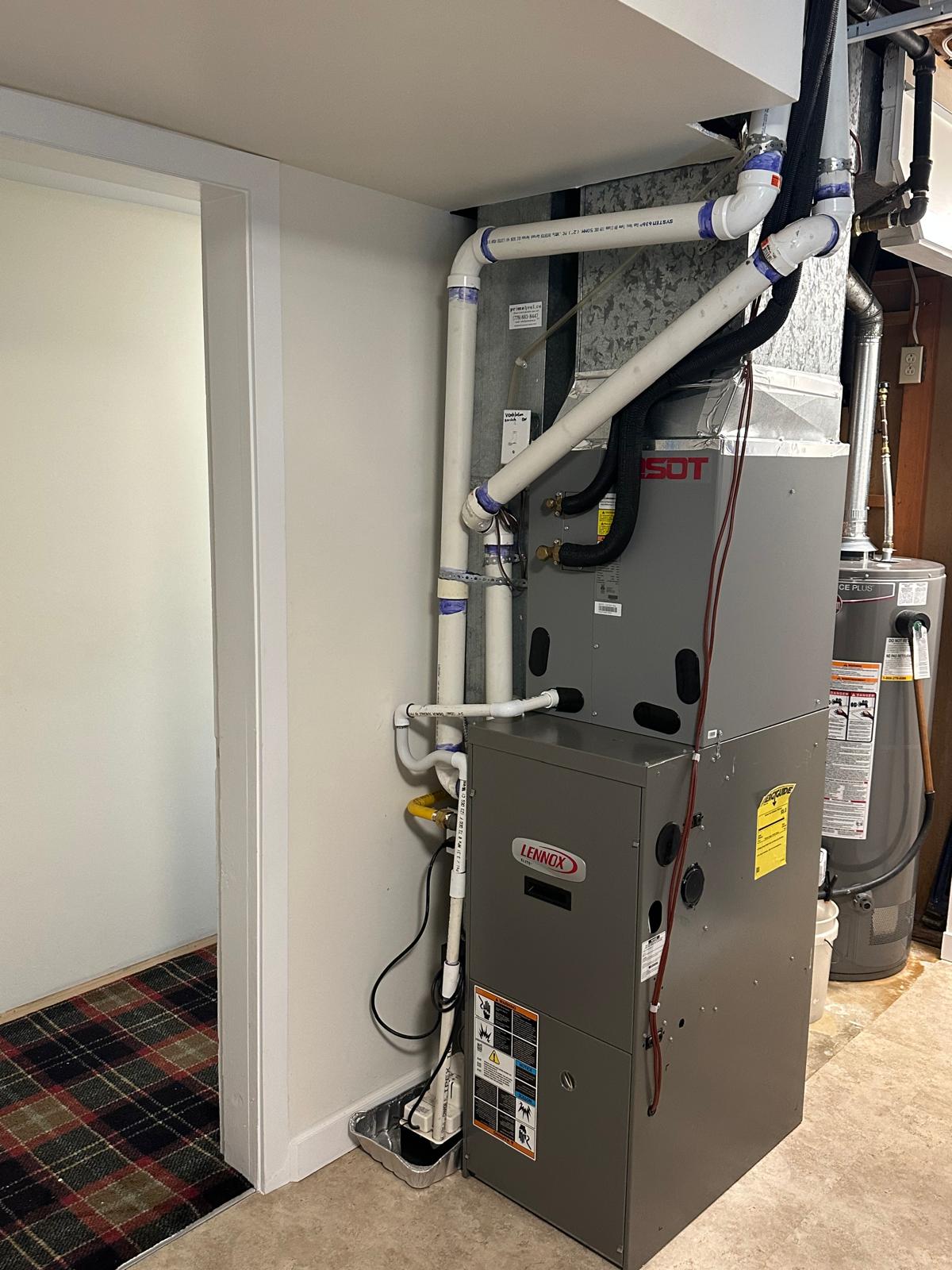



A furnace high-limit switch is a safety control designed to stop burner operation if the furnace temperature rises beyond an acceptable range. When it trips repeatedly, the furnace may start, run briefly, shut the burners off, continue running the blower and then try again later.
Repeated limit trips are not a normal operating strategy. They usually indicate that the furnace is producing more heat than the airflow can remove, or that a control or measurement problem is causing the furnace to believe it is overheating.
What the High-Limit Switch Does
The limit switch monitors temperature in or near the furnace heat exchanger area. If temperature exceeds the limit setting, the gas burners are shut down while the blower may continue operating to cool the furnace.
Some furnaces automatically reset after temperature falls. Others may lock out after repeated faults. The exact sequence depends on the control board and furnace model.
Common Symptoms of a Limit Problem
- Burners shut off before the thermostat is satisfied
- Blower continues running after burners stop
- Furnace cycles repeatedly on and off
- Fault light or diagnostic code indicates open limit
- Weak airflow from supply registers
- Rooms remain cool even though the furnace runs often
1. Dirty or Restrictive Air Filter
A heavily loaded filter reduces return airflow. With less air moving across the heat exchanger, furnace temperature rises faster and the high-limit switch may open.
Filter problems include not only dirt but also excessive filter resistance. A very restrictive filter installed in a duct system with limited return-air capacity can create high static pressure even when it looks clean.
2. Closed Registers or Blocked Return Air
Closing too many supply registers can reduce total system airflow. Blocked return grilles, undersized return ducts or furniture covering return openings can create similar problems.
Airflow should be measured and compared with equipment requirements rather than judged only by how strong one register feels.
3. Blower Motor or Control Problems
If the blower runs too slowly, starts late or fails intermittently, heat cannot be removed from the furnace correctly. Causes can include motor failure, control-board issues, incorrect speed settings, capacitor problems on applicable motors, or ECM motor/control faults.
Technicians should verify commanded speed, actual airflow and static pressure instead of replacing the limit switch first.
4. Dirty Evaporator Coil
In systems with central air conditioning or a heat pump coil above the furnace, a dirty indoor coil can restrict airflow. The homeowner may replace the filter and still experience overheating because the restriction is farther downstream.
5. Undersized or Restricted Ductwork
A furnace can be mechanically healthy but still overheat if the duct system cannot move the required airflow. Common problems include undersized returns, crushed flexible duct, restrictive transitions, too many closed dampers or poorly designed fittings.
External static pressure testing is one of the most useful diagnostic measurements for identifying this type of problem.
6. Incorrect Gas Input
If a furnace is overfired, it can produce excessive heat. Gas pressure, orifice size, fuel type and input rate must match manufacturer specifications.
Gas input and combustion should be checked by a qualified technician using appropriate instruments. Adjusting gas pressure without proper measurement can create unsafe operation.
7. Heat Exchanger or Internal Airflow Problems
Debris, internal restrictions or equipment damage can affect temperature rise and airflow. A high-limit fault should therefore be evaluated with the furnace cabinet, blower section, coil and duct system considered together.
8. Faulty Limit Switch or Sensor
Limit switches can fail, drift out of calibration or develop poor electrical connections, but they should not be treated as the first suspect. A new limit switch installed in a furnace with poor airflow will likely trip again.
Temperature Rise: A Key Diagnostic Measurement
Furnace manufacturers specify an acceptable temperature-rise range. Technicians compare return-air temperature with supply-air temperature after the system reaches steady operation.
A temperature rise above the specified range often points toward insufficient airflow or excessive input. A temperature rise that is too low can indicate different issues such as excessive airflow or reduced heat output.
Why Static Pressure Matters
Static pressure is the resistance the blower must overcome to move air through the filter, ductwork and indoor coil. High static pressure can reduce airflow and increase blower stress.
A complete measurement should identify where the pressure drop occurs. For example, the filter, return duct, evaporator coil or supply duct may each contribute differently.
Do Not Bypass the High-Limit Switch
The high-limit switch is a safety device. Bypassing it removes protection against overheating and can create a serious hazard. The correct repair is to identify why the limit is opening.
How a Technician Diagnoses Repeated Limit Trips
- Read furnace fault history and current diagnostic code
- Inspect filter and return-air path
- Measure supply and return temperatures
- Compare temperature rise with the furnace data plate
- Measure external static pressure
- Check blower operation and speed settings
- Inspect indoor coil and duct restrictions
- Verify gas input and combustion where required
- Test the limit circuit and wiring
Furnace Service in Metro Vancouver
Royal Pro Heating Ltd. provides furnace repair and diagnostic service throughout Metro Vancouver. Homeowners in Burnaby can also see our Furnace Repair in Burnaby page, and Coquitlam homeowners can visit our Furnace Repair in Coquitlam page.
Frequently Asked Questions
Can a dirty filter cause a high-limit fault?
Yes. A restricted filter is one of the most common airflow problems, but repeated faults after filter replacement require additional testing.
Why does the blower keep running after the burners shut off?
The furnace may be trying to cool itself after a limit trip. The blower can continue until the sensed temperature falls.
Should I replace the high-limit switch?
Only after confirming that the switch itself is faulty. Airflow, temperature rise, gas input and duct restrictions should be checked first.
Can an oversized furnace cause limit trips?
Yes. A furnace with too much output for the duct system may overheat if the airflow system cannot carry the required heat.
Bottom Line
A high-limit fault is usually a clue, not the root cause. The most useful diagnosis measures airflow, temperature rise, static pressure and furnace input before any control is replaced. That approach protects the furnace and addresses the reason it is overheating.